Local Insights into Successful Room Additions and Expansions.
Room additions and expansions can significantly enhance the living space in your home, offering both functional benefits and increased property value. Whether you need an extra bedroom for a growing family, a larger kitchen for hosting friends, or a spa-like bathroom retreat, understanding local insights into successful room additions is vital. This comprehensive guide will delve deep into everything you need to know about room additions and expansions by covering various aspects such as planning, design, local regulations, finding the right contractors, and much more.
Understanding the Basics of Room Additions
What Are Room Additions?
Room additions refer to the process of increasing the existing square footage of a home by constructing new rooms or expanding current spaces. This can involve adding an entirely new wing to your house or merely bumping out a section for extra space.
Types of Room Additions
Single-Story Additions: Expanding horizontally by adding a room on one level. Multi-Story Additions: Adding new rooms on multiple levels, often requiring structural reinforcements. Bump-Outs: Small extensions that create more room without extensive renovations. Garage Conversions: Transforming garage space into usable living areas.Why Consider a Room Addition?
Room additions can serve multiple purposes:
- Increase comfort by providing additional living space. Enhance property value significantly. Improve functionality in crowded homes.
Local Insights into Successful Room Additions and Expansions
When it comes to room additions, local http://juliuspjqo798.fotosdefrases.com/how-to-turn-a-basic-bathroom-into-a-luxurious-retreat regulations and market conditions play crucial roles in determining success. Here are some essential insights specific to your area:
Understand Local Building Codes: Each region has distinct building codes that dictate what you can build and how.
Design Trends: Stay updated on popular styles in your neighborhood—open floor plans often appeal to buyers.
Neighborhood Characteristics: Ensure that your addition aligns with the architectural style of surrounding homes to maintain curb appeal.
Permits and Approvals: Acquire necessary permits before starting any construction work to avoid legal hassles later on.
Zoning Laws: Check if your property is subject to zoning laws that restrict certain types of constructions or expansions.
Planning Your Room Addition
Assessing Your Needs
Before diving headfirst into construction, consider why you want a room addition:
- Is it for additional storage? Do you need an extra bedroom? Would a dedicated office space be beneficial?
Setting a Budget
Creating a realistic budget is essential:
- Factor in construction costs, permits, design fees, and unexpected expenses. Always leave room for contingencies—around 10% of the total budget can be wise.
Choosing the Right Time
Timing can affect costs:
- Off-peak seasons may offer lower labor rates.
Finding Reliable Contractors for Room Additions
Researching Local Contractors
When searching for reliable contractors:
Use keywords like "home improvement contractors near me" or "remodeling contractors near me." Look for reviews on platforms like Yelp or Google Reviews. Ask friends or family for recommendations based on their experiences.Interviewing Candidates
Once you've shortlisted potential contractors:
- Conduct face-to-face interviews. Ask about experience related specifically to "room addition contractors."
Checking Credentials and Licenses
Always verify:
- Licensing status Insurance coverage
Requesting Quotes and Comparisons
Getting multiple quotes helps ensure you're not overpaying:
Compare services included—some may offer comprehensive packages including design services while others might not. Be wary of estimates that seem too good to be true; they often are!Design Considerations for Your New Space
Creating Functional Spaces
Think about how your new space will be used:
- Will it have dedicated areas for different activities?
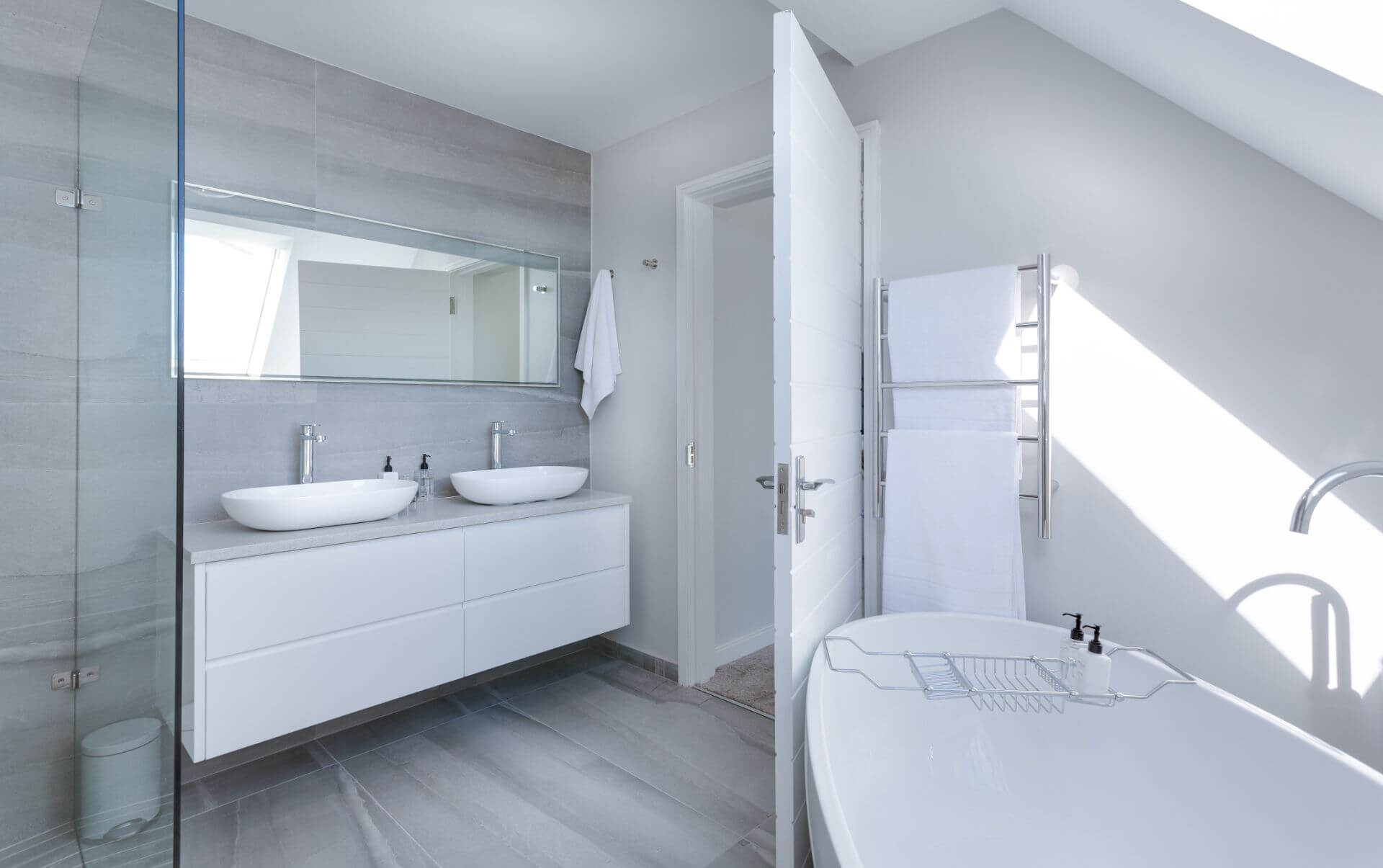
Eco-Friendly Bathroom Remodeling Options
If your addition includes a bathroom remodel:
Open Concepts vs Traditional Rooms
Decide whether you prefer:
- An open-concept layout which promotes social interaction, or Traditional separated rooms offering privacy but potentially less flow.
Navigating Local Regulations and Permits
Understanding Permitting Process Part 1
The permitting process may vary by locality but typically includes these steps:
Submit plans and designs to local authorities. Wait for approval—which can take anywhere from days to months depending on complexity.Understanding Permitting Process Part 2
Once permits are approved:
Schedule inspections at various project stages. Ensure all work complies with local codes before moving forward.Financing Your Room Addition Project
Exploring Different Financing Options
Consider various financing avenues available:
Home equity loans or lines of credit (HELOC) Personal loans Refinancing optionsEach comes with its own pros/cons; assess based on your financial situation!
FAQs About Room Additions
1. What’s the average cost of a room addition?
Costs vary widely depending on factors like size, location, materials used, etc., but expect anywhere from $100–$300 per square foot as a general guideline.
2. How long does the construction typically take?
A small bump-out might take just weeks while larger multi-story additions could take several months depending on complexity!
3. Can I live in my home during construction?
Yes! However, be prepared for noise and disruptions during working hours—it’s recommended to set up temporary living arrangements if possible!
4. How do I choose between hiring contractors versus doing it myself?
Consider skill level required—you should hire professionals if tasks exceed basic DIY capabilities!
Conclusion
In conclusion, embarking on room additions requires careful consideration of many factors—from understanding local regulations to selecting reliable contractors who specialize in remodeling services tailored to your needs like “bathroom remodeling” or “kitchen remodel.” By taking these insights into account along with strategic planning, you'll be well-equipped to navigate through this exciting yet challenging venture successfully! Remember that investing time upfront ensures not only compliance with laws but also results in spaces designed thoughtfully—enhancing functionality without compromising style!